Source sweat absorbent cotton no show socks for Gym, Travel, Daily
Compare 30 listings of sweat absorbent cotton no show socks from verified suppliers. Buyers can evaluate customization options, material specs, and pricing to find the right fit for casual wear or athletic activities; compare the available evidence and request quotations based on your requirements.
Key considerations
Products List






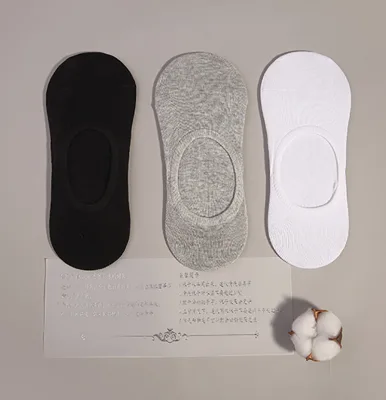
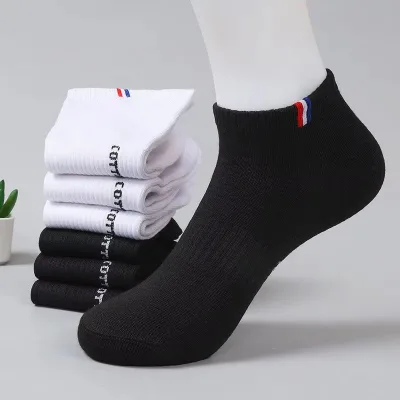

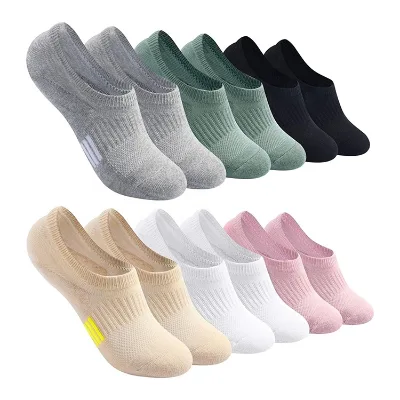
Comprehensive Sourcing Guide
Sweat Absorbent Cotton No Show Socks Sourcing Guide
Sourcing sweat absorbent cotton no show socks requires identifying suppliers who explicitly list cotton as the primary material and confirm breathability features. The observed product data indicates that high-confidence listings specify 100% cotton composition with GSM weights ranging from 110 to 210, which directly influences moisture management capabilities. Buyers must verify that the "Normal" or "Thin" thickness specifications align with the intended summer or spring/autumn usage scenarios to ensure the fabric density supports the required sweat absorption without causing overheating.
Procurement teams should prioritize vendors offering customization options for height and style, as the market data shows a mix of ankle, middle, and normal styles available. The presence of eco-friendly and anti-bacterial features in the observed listings suggests a growing demand for functional hygiene in no-show designs. When evaluating potential partners, confirm that the supplier can accommodate specific requests for packing, such as 120 pairs per export carton or custom polybag configurations, to ensure the final product meets logistical and retail presentation standards.
Product Scope and Observed Listing Signals
The current market landscape for no-show socks includes a diverse range of models, such as ntns01, DL-MS-151, and SV0417, each with distinct specifications regarding size and weight. Listings frequently highlight unisex and adult demographics, with some products explicitly targeting casual wear and high street loose wear aesthetics. Buyers should note that while some models offer standard sizes like Average or specific measurements like 24x10cm, others provide an extensive size range from XXS to 6XL, necessitating careful alignment with the target customer base before placing orders.
Observations reveal that sample times typically range around 10 days, with some suppliers supporting 7-day fast proofing for urgent development cycles. The shipping methods are generally flexible, allowing for sea or air transport, which impacts the overall lead time calculation for bulk orders. It is critical to distinguish between products with fixed packing standards, such as 200 pairs per carton, and those offering custom packing solutions, as this variability affects inventory planning and warehouse space requirements for the importing business.
Technical Specifications to Verify
Buyers must rigorously verify the fabric weight and weaving method to ensure the socks meet the sweat absorbent criteria. The data confirms that knitted cotton fabrics are standard, with specific listings citing 110gsm and 210gsm weights. A lower GSM often correlates with a thinner profile suitable for summer, while higher GSM values may offer better durability and moisture retention. Confirming the exact GSM and weave structure is essential to prevent purchasing socks that are either too sheer for durability or too heavy for the intended breathable performance.
Dimensional accuracy and height specifications are equally critical for no-show designs to ensure they remain invisible under footwear. The observed listings include ankle, middle, and average height options, with some products specifying exact dimensions like 26x16x5cm for packaging or 24x10cm for the product itself. Procurement teams should request physical samples to validate that the "Ankle" or "Middle" height claims translate to actual wearability, ensuring the sock stays in place without slipping down, which is a common failure point in no-show categories.
Compliance and Safety Documentation
While the provided data does not list specific third-party certifications, the presence of eco-friendly and anti-bacterial features implies a need for relevant safety documentation. Buyers should request test reports that verify the anti-bacterial claims and confirm that the cotton sourcing meets environmental standards, especially since eco-friendly attributes are highlighted in the product features. Without explicit certification data in the listings, it is the buyer's responsibility to demand proof of compliance with local textile safety regulations regarding chemical usage and fiber content.
Safety verification also extends to the physical construction of the socks, particularly regarding the anti-slip features mentioned in some listings. Ensure that any silicone grips or elastic bands used to keep the socks in place are non-toxic and do not cause skin irritation. Since the standard is listed as "customized" in several entries, do not assume a universal safety standard applies; instead, require the supplier to provide a declaration of conformity for the specific batch, confirming that all materials used are safe for direct skin contact with adults.
Cost Drivers and Commercial Terms
The observed price range of 0.09 to 10.28 USD indicates significant variability driven by material quality, customization complexity, and order volume. Factors such as the 210gsm fabric weight or the inclusion of custom colors from over 200 options will likely push costs toward the higher end of the spectrum. Buyers must understand that the MOQs, which range from 1 to 5000 units, directly influence the unit price, with smaller orders incurring higher per-unit costs due to setup and sampling expenses.
Lead times and shipping methods are additional cost drivers that affect the total landed cost of the product. With a standard lead time of 25 days and sample times of 10 days, rush orders requiring 7-day proofing may incur premium charges. Furthermore, the choice between sea and air freight will significantly alter the final price, especially for large cartons containing 200 pairs. Negotiating these terms early is essential to balance the budget constraints with the need for timely delivery and high-quality output.
Supplier Qualification and Quality Control
Supplier qualification should focus on their ability to manage the "customized" standard and provide consistent quality across different models. The data shows that some suppliers offer custom samples and support fast proofing, which indicates a flexible manufacturing process. However, buyers must verify that the supplier has a robust quality control system in place to maintain the "High Quality" claim across all batches, ensuring that the cotton composition remains consistent and that the knitting method does not introduce defects like holes or uneven stitching.
Quality control protocols must also address the specific functional claims, such as breathability and anti-slip performance. Since the product attributes include features like "Eco-Friendly" and "Disposable" in some listings, it is vital to confirm that the supplier can consistently deliver on these promises without compromising the structural integrity of the sock. Implementing a pre-shipment inspection that checks for color consistency, size accuracy, and packaging integrity is necessary to prevent receiving substandard goods that fail to meet the buyer's expectations.
Long-Term Procurement Checks
Establishing a long-term partnership requires regular audits of the supplier's ability to maintain the specified lead times and customization capabilities. The observed data suggests that while some suppliers offer 25-day lead times, others may have different timelines depending on the complexity of the order. Buyers should monitor the supplier's performance over multiple cycles to ensure that the 10-day sample time and 7-day fast proofing options remain reliable, as delays in these areas can disrupt the entire supply chain and inventory planning.
Continuous verification of material standards and feature consistency is crucial for maintaining brand reputation. As the market evolves, buyers should periodically re-test samples to ensure that the cotton content, GSM weight, and functional features like anti-bacterial properties have not degraded. Additionally, keeping an eye on the supplier's capacity to handle increasing order volumes, given the wide MOQ range observed, will help ensure that the partnership remains scalable and capable of meeting future demand without compromising on quality or delivery schedules.
FAQs
Can I request custom samples for these cotton socks?
Yes, custom samples are available for these cotton socks. The sample time is typically 10 days before production begins. This allows buyers to verify quality and fit before committing to larger orders. Customization options include specific colors and designs to match your brand requirements.
What is the lead time for bulk orders of these socks?
The standard lead time for bulk orders is 25 days. This duration covers production and preparation for shipment. Buyers should plan their inventory accordingly to ensure timely delivery. Expedited options may vary based on current factory capacity and order volume.
Which materials are used to make these socks?
These socks are made from 100% cotton material. The fabric weight varies, with some models at 110gsm and others at 210gsm. This natural fiber ensures breathability and comfort for daily wear. The material choice supports eco-friendly claims and suitability for summer or spring seasons.
How are these socks packaged for export?
Packaging options include 1 pair per polybag with 200 pairs per carton. Some models use 1 piece per polybag fitting in a box. Custom packing requests are also accepted to meet specific buyer needs. This flexible approach ensures safe transport and easy inventory management for retailers.
What customization options are available for these socks?
Customization is available for colors, styles, and specific product standards. Buyers can choose from over 200 color options or request unique designs. The product standard can be customized to fit specific requirements. This flexibility allows brands to create unique sock lines tailored to their target audience.
Are these socks suitable for adult unisex wear?
Yes, these socks are designed for adults and are unisex. They feature styles like ankle and normal lengths suitable for various occasions. The breathable and eco-friendly nature makes them ideal for casual wear. Sizes range from XXS to 6XL to accommodate different foot dimensions.
What is the origin of these cotton socks?
The origin of these socks is China. Products are shipped by sea or air depending on buyer preference. This location supports competitive pricing and efficient manufacturing capabilities. Buyers can expect reliable quality standards and customization services from these Chinese suppliers.